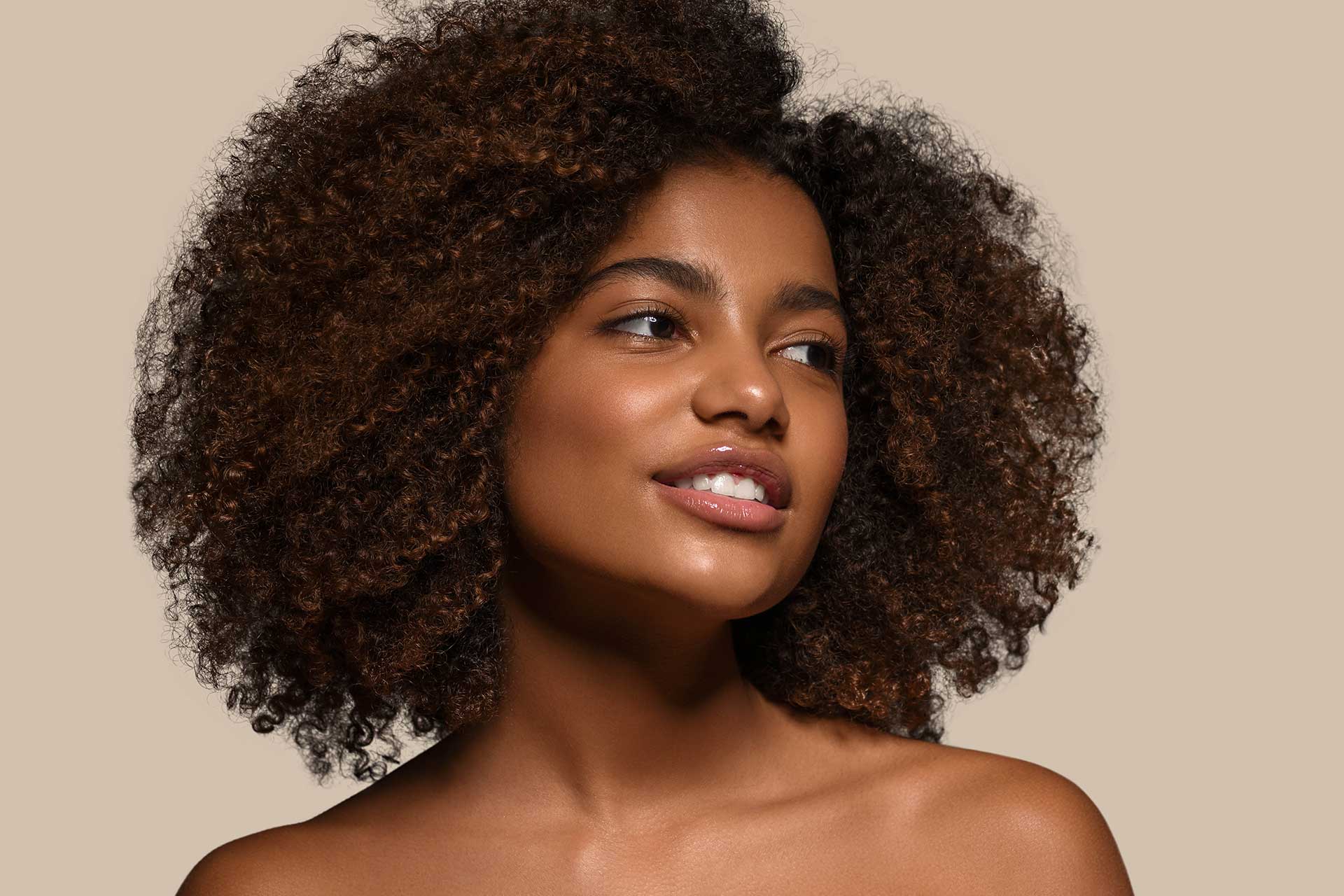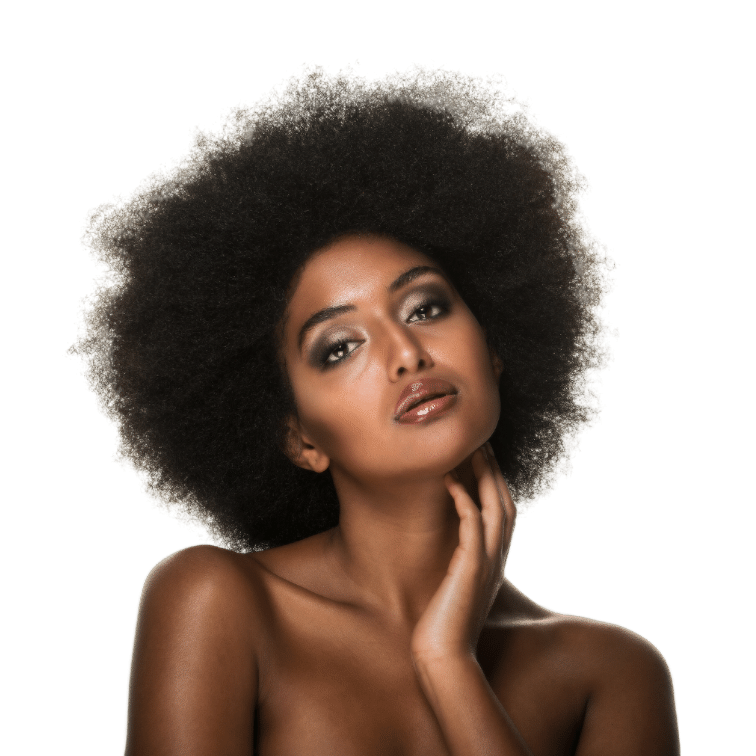
Ethnic skin is a term commonly used to describe the skin types of people of color, including people of African, African American, Latin or South American, South and Southeast Asian, Pacific Islander, and Middle Eastern descent. This category encompasses a diverse range of skin tones and types that have distinct dermatological needs.
In this post, we’ll be shedding some light on the specific requirements that cut across most people with ethnic skin, and how to take care of this special skin type effectively.
1. The Melanin Factor.
The one element that makes ethnic skin unique is its melanin. Melanin is the natural pigment that gives our skin its color and provides a degree of protection against ultraviolet (UV) radiation. Because ethnic skin has higher levels of melanin content, it has a lower risk of sunburn and skin cancer. However, this does not make it 100% immune.
Ethnic skin still requires effective sun protection using a sunscreen with an SPF of at least 30.
2. Hyperpigmentation.
Hyperpigmentation is more common in ethnic skin. Caused by excess melanin production which leads to an uneven skin tone, it could result from various factors such as acne, hormonal changes, and injuries to the skin.
The best way to manage hyperpigmentation is to incorporate ingredients like vitamin C and niacinamide into your skincare routine as these perform the core functions of brightening and improving uneven skin tone.
3. Keloid Formation.
Ethnic skin is more prone to keloids than any other type of skin. Keloids are raised, often large scars that grow beyond the original site of an injury. To reduce the risk of keloid formation, you must take care to treat any wounds carefully and consider professional dermatological interventions when necessary.
4. Dryness and Ashiness.
Ethnic skin tends to lose moisture more quickly than other skin types. This often leads to severe dryness, or as we popularly call it, “ashiness”. Hence, regular moisturization of ethnic skin with creams and oils is key. Consider products with hyaluronic acid, glycerin, or shea butter to ensure your skin stays properly hydrated.
5. Acne and Oily Skin.
Oily skin and acne are common concerns for ethnic skin. These skin issues are caused by the overproduction of sebum which leads to clogged pores and breakouts.
If you have ethnic skin, always take care to use non-comedogenic (and fragrance-free if your skin is particularly sensitive) skincare products. A salicylic acid or benzoyl peroxide cleanser as well as a retinoid can also help with managing acne. But most importantly, you must balance any acne treatments with moisturization to avoid over-drying your skin as this can aggravate the condition.
6. The Importance of a Tailored Skincare Routine.
Ethnic skin or not, there is never a one-size-fits-all skin solution. You have to make observations and get to understand your specific skin type and issues. Consulting with a dermatologist who has experience with ethnic skin is also a great way to develop a personalized skincare routine that will work effectively for you.
In the end, you must embrace your natural beauty.
Finally, it is important to embrace the heritage and natural beauty of your ethnic skin. Societal standards often overlook the diverse beauty of different skin tones and types. However, you must continue to celebrate and nurture your ethnic skin. It’s an act of self-love to which pretty much nothing else comes close.